AI-generated opposing view option angers critics, readers
 Asahi Weekly 紙面のお申し込みはこちら
Asahi Weekly DIGITALのダブルコースは、事前に紙面の購読申し込みが必要です。こちらのページからAsahi Weeklyの紙面購読申し込みをおこなってください。

Weekly Picks (2025年5月4-11日号)
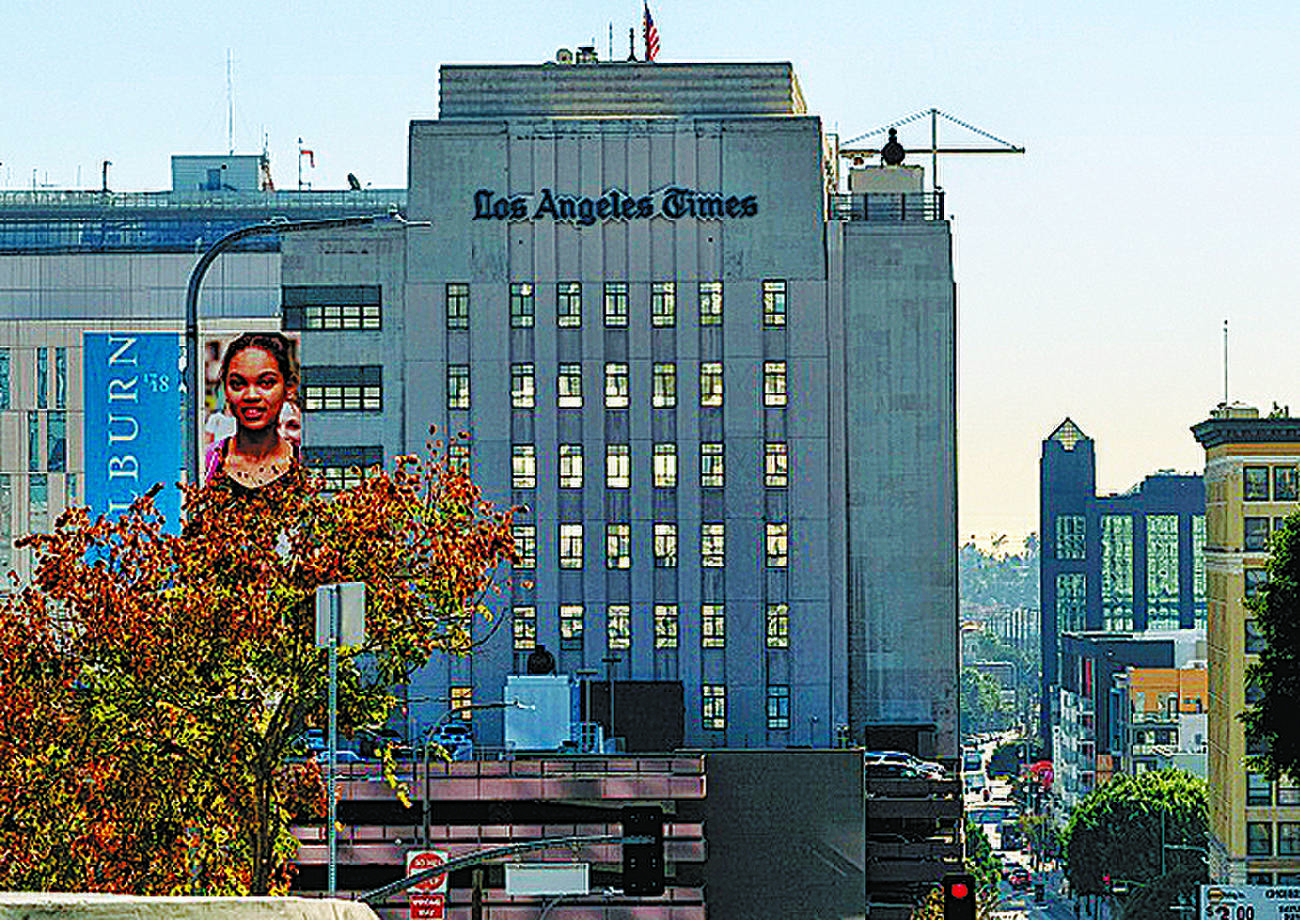
The Los Angeles Times building in downtown Los Angeles AP file photo
人の意見はさまざま。新聞のオピニオン面の論評記事やコラムはたびたび議論を呼ぶものです。米紙ロサンゼルス(LA)タイムズは最近、ウェブサイトに掲載したコラムを対象に、その主張と異なる視点を AI に併記させる試みを始めました。これを主導した社主は「意見の多様性」を主張しますが、トランプ政権に狙い撃ちされがちな主要メディアが本来の主義・主張をトーンダウンする流れが広がるなか、識者からは「書き手や読者を馬鹿にしている」「知性の冒瀆(ぼうとく)」と批判する声が上がっています。
In a colorful commentary for the Los Angeles Times, Matt K. Lewis argued that callousness is a central feature of the second Trump administration, particularly its policies of deportation and bureaucratic cutbacks. “Once you normalize cruelty,” Lewis concluded in the guest op-ed piece, “the hammer eventually swings for everyone. Even the ones who thought they were swinging it.”
Lewis' word wasn't the last, however. As they have with opinion pieces the past several weeks, Times online readers had the option to click on a button labeled “Insights,” which judged the column politically as “center-left.” Then it offers an AI-generated synopsis — a CliffsNotes version of the column — and a similarly produced opposing viewpoint.
One dissenting argument reads: “Restricting birthright citizenship and refugee admissions is framed as correcting alleged exploitation of immigration loopholes, with proponents arguing these steps protect American workers and resources.”
The feature symbolizes changes to opinion coverage ordered over the past six months by Times owner Patrick Soon-Shiong, who's said he wants the famously liberal opinion pages to reflect different points of view. Critics accuse him of trying to curry favor with U.S. President Donald Trump.
Soon-Shiong, a medical innovator who bought the Times in 2018, blocked his newspaper from endorsing Democrat Kamala Harris for president last fall and said he wanted to overhaul its editorial board, which is responsible for researching and writing Times editorials.
“If you just have the one side, it's just going to be an echo chamber,” Soon-Shiong told Fox News last fall. He said broadening the outlook is “going to be risky and it's going to be difficult. I'm going to take a lot of heat, which I already am, but I come from the position that it's really important that all voices be heard.”
Soon-Shiong's decision caused a similar unrest with subscribers as happened when Washington Post owner Jeff Bezos decided the newspaper would not back a presidential candidate.
There were some initial questions about whether a “bias meter” as described by Soon-Shiong would apply to news articles as well as opinion pieces. But the publisher told Times reporter James Rainey in December it would only be included on commentary, as it has remained since “Insights” was introduced to readers on March 3.
In practice, the idea feels like a gimmick, Mariel Garza, the L.A. Times former editorials editor who resigned in protest in October after Soon-Shiong's decision about Harris, told The Associated Press.
“I think it could be offensive both to readers ... and the writers themselves who object to being categorized in simple and not necessarily helpful terms,” she said. “The idea of having a bias meter just in and of itself is kind of an insult to intelligence and I've always thought that the readers of the opinion page were really smart.”
The online feature created problems instantly when it was applied to columnist Gustavo Arellano's Feb. 25 piece about the little-noticed 100th anniversary of a Ku Klux Klan rally that drew more than 20,000 people to a park in Anaheim, California.
One of the AI-generated “Insights” said that “local historical accounts occasionally frame the 1920s Klan as a product of ‘white Protestant culture' responding to societal changes rather than an explicitly hate-driven movement.”
Some at the Times believe an ensuing backlash — Times defends Klan! — was inaccurate and overblown. Still, the perspectives were removed.
A better way to improve opinion offerings is to hire more journalists and put them to work, said Paul Thornton, former letters editor for the Times' opinion section.
(AP)
 紙面購読者の方はこちら!
※朝日IDにログインしてからのお申し込みになります。朝日ID会員でない方は新規会員登録(無料)にお進みください。
※ダブルコースの方は朝日ウイークリーデジタル(300円)が初回1カ月間無料になります。紙面(1600円)については初月より通常料金です。
Asahi Weekly DIGITALのダブルコースは、事前に紙面の購読申し込みが必要です。こちらのページからAsahi Weeklyの紙面購読申し込みをおこなってください。